
Skin Tumors can be Mast Cell Tumors
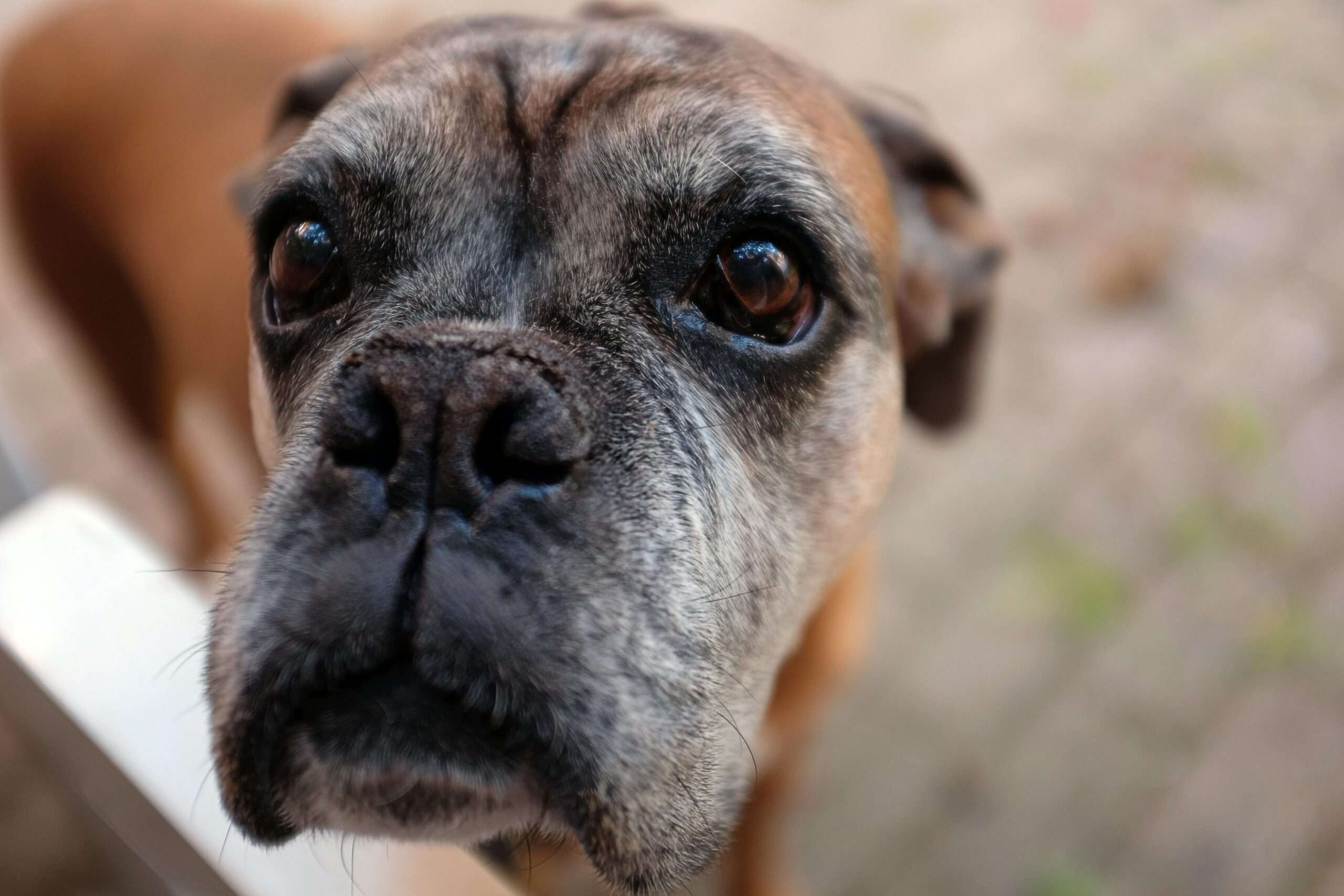
Mast Cell Tumors: A Vet’s Guide to “The Great Pretenders”
Of all the lumps and bumps we see on pets, mast cell tumors are perhaps the most unpredictable. They can look like anything—a harmless wart, an insect bite, a small fatty lump, or an angry, ulcerated sore. This is why veterinarians call them “The Great Pretenders.” At Harmony Pet Clinic, we want to demystify this common cancer and give you the knowledge you need to act quickly and effectively for your pet.
What Exactly is a Mast Cell?
Mast cells are a normal and important part of your pet’s immune system. They are a type of white blood cell involved in allergic and inflammatory responses. When you see a hive from an insect bite, that redness and swelling is caused by mast cells releasing granules of histamine and other potent chemicals. A mast cell tumor is a cancerous, uncontrolled growth of these very cells.
Important: Do Not Squeeze or Poke a Suspected Mast Cell Tumor
Because these tumors are bags of inflammatory granules, squeezing or agitating them can cause a massive, localized release of histamine. This can make the tumor swell dramatically, become red and painful, and can even cause a systemic allergic reaction. If you find a lump, the best thing you can do is leave it alone and call us.
Mast Cell Tumors in Dogs
Mast cell tumors are the most common type of skin cancer in dogs. Breeds like Boxers, Boston Terriers, Pugs, and Retrievers are more predisposed. The key to treatment is understanding the tumor’s “grade,” which tells us how aggressive it is. While an older 3-tier system exists, most pathologists now use a more modern 2-tier system, as it has been shown to be more predictive of the tumor’s behavior.
This newer grading system was formally proposed in a landmark 2011 study and classifies tumors as either low-grade or high-grade:
- Low-Grade: These tumors are less aggressive. The vast majority of these are cured with complete surgical removal and are unlikely to spread (metastasize).
- High-Grade: These tumors are more aggressive and have a significant risk of spreading to other parts of the body, like the lymph nodes, spleen, and liver. These tumors require more aggressive treatment.
Treatment for Dogs
The first step is always diagnosis, usually with a Fine Needle Aspirate (FNA). Once confirmed, the cornerstone of treatment is wide surgical excision. We remove the tumor along with a large margin of healthy-looking tissue around it to ensure we get all the microscopic cancerous “tentacles.” The pathologist’s report will tell us the grade of the tumor and if the margins are “clean.” For high-grade tumors, or if the tumor couldn’t be completely removed, we may also recommend radiation to treat the local area or chemotherapy to fight systemic spread.
Mast Cell Tumors in Cats
In cats, mast cell tumors behave a bit differently. They typically appear in two forms:
- Cutaneous (Skin) Form: These are lumps on the skin, often on the head and neck. The good news is that the vast majority of these skin tumors in cats are benign and can be cured with simple surgical removal.
- Visceral (Internal) Form: This is a more aggressive form of the disease where the tumors grow on internal organs, most commonly the spleen or intestines. Signs are often vague, like vomiting, weight loss, or poor appetite. Treatment usually involves surgery (like removing the spleen) followed by chemotherapy.
The Bottom Line: Every Lump Needs a Diagnosis
Because mast cell tumors are “The Great Pretenders,” you can never tell what a lump is just by looking at it. Any new lump or bump on your pet that persists for more than a week or is growing should be examined. A quick and simple Fine Needle Aspirate (FNA) in our clinic can give us the answers we need to create the best treatment plan for your beloved companion.
Don’t Wait, Aspirate.The key to successfully treating mast cell tumors is early diagnosis and action. As your veterinarian in Tomball, serving Cypress, Magnolia, and Spring, we are here to provide swift diagnostics and compassionate, state-of-the-art care for your pet. If you’ve found a new lump on your dog or cat, please call us to schedule an evaluation. Peace of mind is just an appointment away. |
Book an Appointment |