
How is Chemotherapy different in Pets from Human?
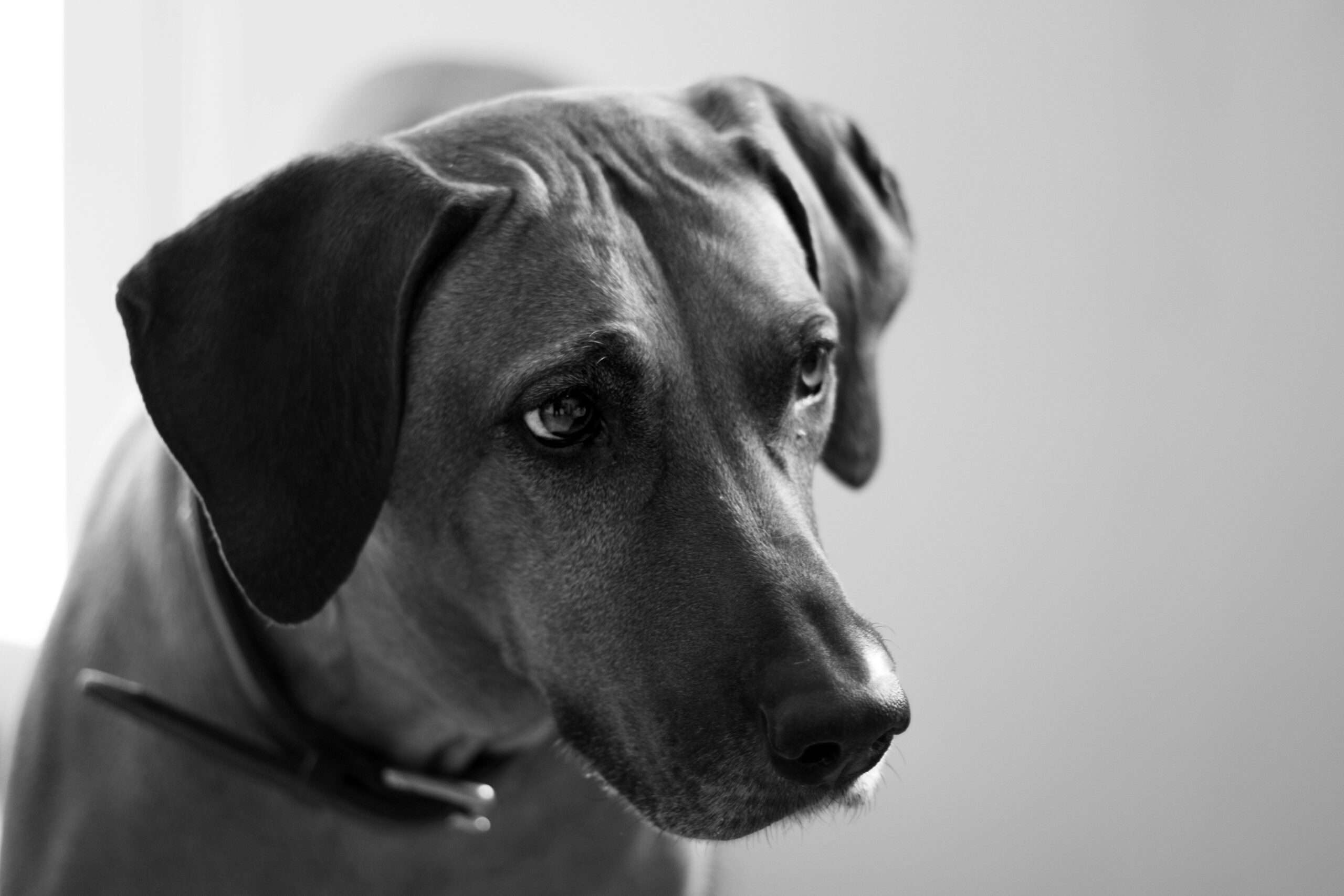
Your Pet is Starting Chemotherapy: A Guide to What Comes Next
If your trusted companion has been diagnosed with cancer, the recommendation of chemotherapy can bring a new wave of questions and anxieties. The word itself is heavy, often associated with difficult experiences in human medicine. As your veterinarian, I want to walk you through what chemotherapy for a pet actually looks like and, most importantly, reassure you that our primary goal is always their comfort and happiness.
The #1 Goal of Pet Chemotherapy: Quality of Life
This is the most important difference between human and veterinary chemotherapy. In people, the goal is often to cure the cancer, sometimes using very high doses of drugs that can cause severe side effects. In pets, our goal is to extend a high-quality, happy life. We use lower doses and different drug protocols specifically designed to attack cancer cells while having minimal impact on your pet’s overall well-being. Most pets on chemotherapy feel good, continue to play, and enjoy their daily lives.
Will My Pet Lose Their Hair?
This is one of the most common questions we hear. Unlike humans, most dogs and cats do not lose their fur during chemotherapy. The exception can be certain breeds with continuously growing hair, like Poodles or some terriers, who may experience some thinning. Cats might lose their whiskers, but they grow back! Widespread hair loss is very rare.
What Does a Chemo Appointment Look Like?
A typical chemotherapy appointment is a calm, structured process.
- Check-in and Exam: We’ll start by talking with you about how your pet has been doing at home and perform a physical exam and bloodwork to ensure they are healthy enough for treatment.
- Treatment: Most chemotherapy drugs are given as a slow IV infusion. Your pet will rest comfortably with our trained technicians, who are experts at keeping them calm and safe. Some protocols may involve oral medications you can give at home.
- Going Home: The appointment usually lasts from 30 minutes to a few hours. Afterward, your pet goes home with you the very same day to relax in the comfort of their own space.
Potential Side Effects (And How We Manage Them)
While most pets (over 80%) have minimal to no side effects, some can experience mild symptoms, usually a day or two after treatment. These are almost always temporary and manageable.
- Mild Stomach Upset: A temporary decrease in appetite, mild nausea, or diarrhea are the most common side effects. We will send you home with anti-nausea and anti-diarrhea medications to give your pet at the first sign of trouble.
- Lethargy: Your pet might be a little tired or less playful for a day or two. This is a normal response as their body processes the medication.
- Lowered White Blood Cell Count: Chemo can temporarily lower the body’s infection-fighting cells. This is why we perform bloodwork before each treatment. It’s rarely a problem, but we monitor it closely.
How You Can Help at Home
Your care at home is a vital part of the treatment plan. Focus on providing comfort and support:
- Offer Tempting Foods: If appetite is low, try offering warm, aromatic foods like boiled chicken, meat-based baby food (with no onion or garlic), or their favorite treats.
- Provide a Quiet Space: Let them have a comfortable, peaceful place to rest and recover.
- Communicate With Us: Keep a simple log of how your pet is feeling. If you notice any side effects, call us. We can often adjust their support medications to make them more comfortable. You are our eyes and ears at home!
Your Partner in Your Pet’s Cancer JourneyStarting chemotherapy is a significant step, and it’s normal to feel uncertain. At Harmony Pet Clinic, we are here to support you and your pet through every phase of treatment. We serve the Tomball, Cypress, Magnolia, and Spring communities with a commitment to compassionate, high-quality care. If you have questions about chemotherapy or your pet’s cancer care plan, please don’t hesitate to reach out. |
Book a Consultation |