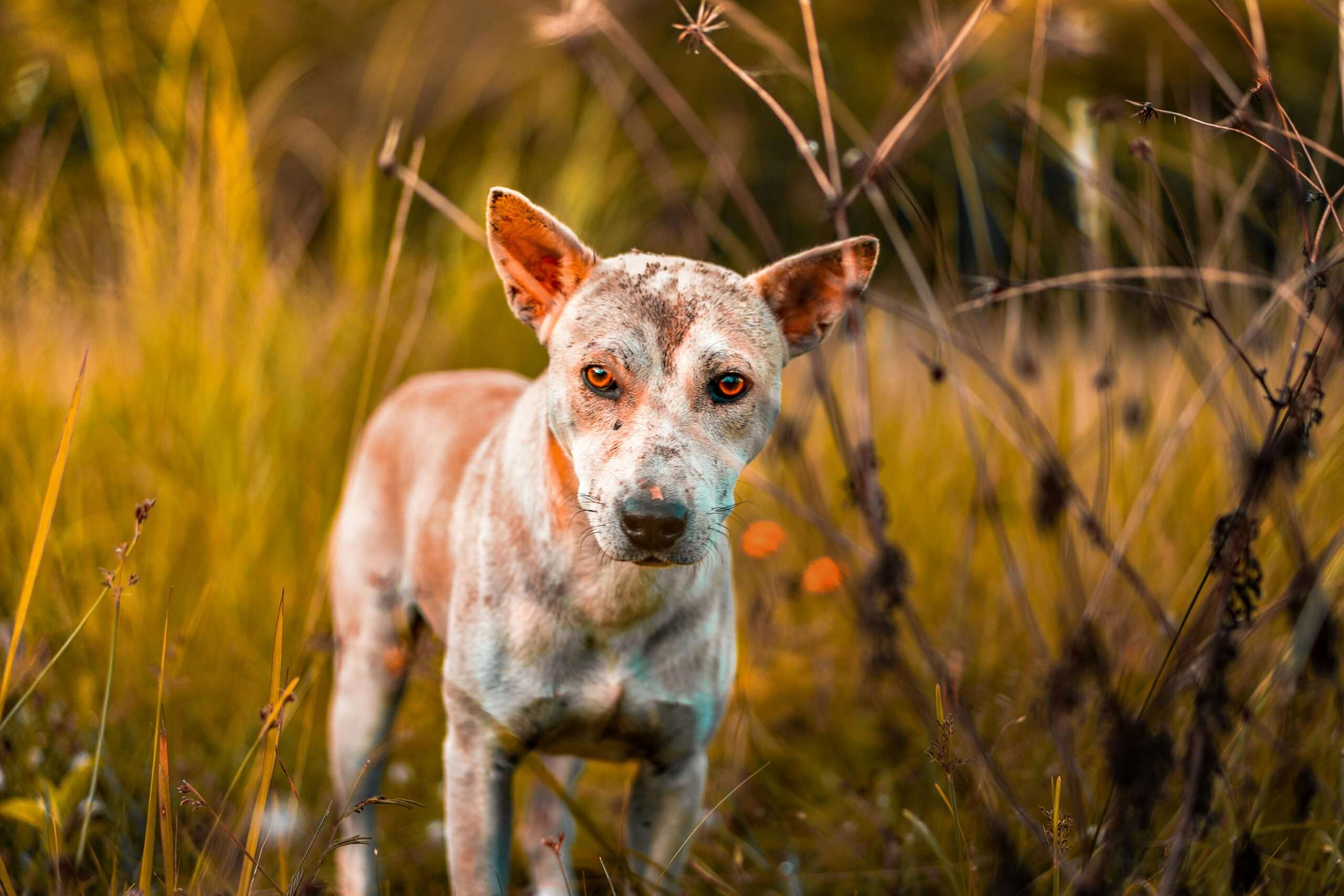
A Guide to Understanding and Addressing Skin Problems
Seeing bald patches or red, irritated skin on your beloved dog can be alarming. These symptoms, known as alopecia and dermatitis, are signals that something is wrong. At Harmony Pet Clinic, we are dedicated to finding the root cause for pet families in Tomball, Magnolia, Spring, The Woodlands, and Cypress.
Common Reasons for Hair Loss and Redness
Allergies (The #1 Culprit)
An allergic reaction triggers inflammation and intense itching. The resulting scratching and chewing is what leads to hair loss and redness.
Types: Includes allergies to fleas, environmental triggers (pollen, dust), or food ingredients (like chicken or beef).
Signs: Red belly, chewing at paws, chronic ear infections, rubbing face.
Infections (Bacterial & Fungal)
A damaged skin barrier from allergies or scratching allows invaders to take over.
Bacterial (Pyoderma): Often appears as red bumps, pimples, or circular crusts with hair loss.
Fungal/Yeast (Malassezia): Causes greasy, smelly skin with a thickened, elephant-like appearance over time.
External Parasites
These tiny pests can cause major skin trauma and hair loss.
Mange Mites: Demodectic mange causes patchy hair loss, while Sarcoptic mange (scabies) causes extreme itchiness.
Fleas: Even without a true allergy, a heavy flea infestation can cause hair loss from constant scratching.
Hormonal (Endocrine) Disorders
Sometimes, hair loss is a sign of an internal disease. This hair loss is often symmetrical and not itchy.
Hypothyroidism: An underactive thyroid gland leads to a poor coat, sluggishness, and weight gain.
Cushing’s Disease: The body produces too much cortisol, causing thin skin and symmetrical hair loss.
What You Should Do
1. Schedule a Vet Visit: This is the most critical step. Guessing the cause can lead to ineffective treatments and prolonged suffering for your pet.
2. Avoid Home Remedies: Do not apply human creams or ointments. These can often make the problem worse or be toxic if licked.
3. Take Notes: Be ready to tell Dr. Banga when the problem started, what your dog’s diet is, and if there are any other symptoms.
Your Partner in Pet Health in Tomball & Beyond!
Skin issues are complex. For an accurate diagnosis and a targeted treatment plan for your dog, cat, puppy, or kitten, trust the expertise of Dr. Banga at Harmony Pet Clinic.