
One of the common cause of diarrhea in puppies and kittens
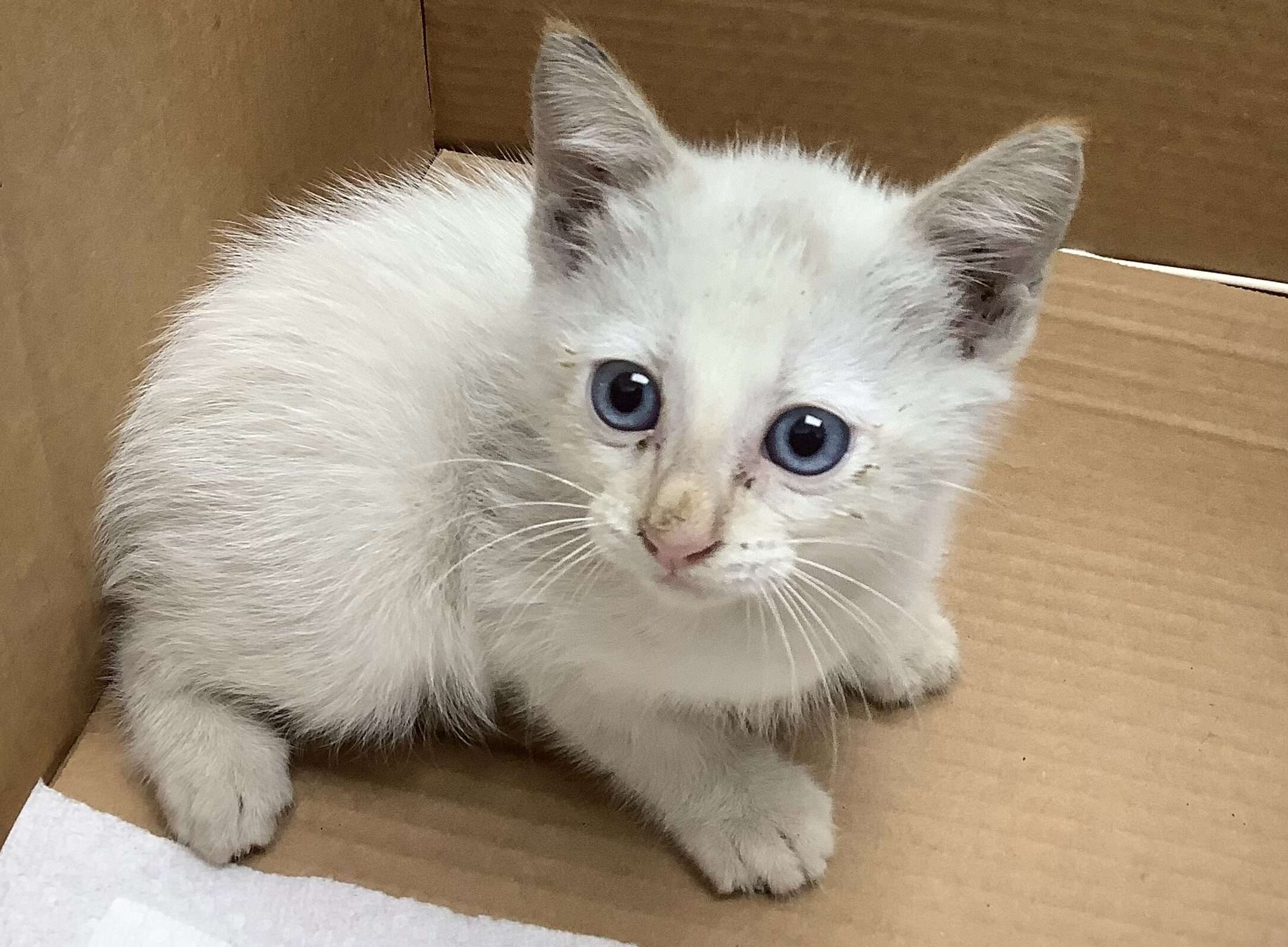
A Pet Owner’s Guide to Coccidia
Understanding this common cause of diarrhea in puppies and kittens.
What is Coccidia?
Coccidia are tiny, single-celled organisms called protozoa, not worms. They live in the wall of your pet’s intestines and are a very common cause of diarrhea in puppies and kittens.
The most common type in dogs and cats is called Cystoisospora (formerly Isospora). Most adult pets carry the parasite without any signs of illness, but young animals are very susceptible to disease, especially when stressed.
The Coccidia Lifecycle: A Story of Stress
The lifecycle is simple, which allows it to spread easily in places like kennels and catteries. The parasite is activated by stress.
An infected pet passes microscopic spores (oocysts) in its poop.
In the environment, oocysts “sporulate” in 1-2 days, becoming ready to infect.
A new pet gets infected by swallowing the infective oocysts from contaminated ground or water.
The parasite multiplies in the intestines. The stress of a new home often triggers the disease.
What to Watch For: Signs of Coccidiosis
The main sign of Coccidiosis (the disease caused by Coccidia) is diarrhea. It’s especially common in puppies and kittens around the time they move to a new home.
Watery Diarrhea
This is the most common sign. The diarrhea can be severe and sometimes foul-smelling.
Blood in Stool
The severe intestinal irritation can cause blood or mucus to appear in the stool.
Vomiting
Stomach upset and vomiting can also occur along with the diarrhea.
Poor Appetite & Dehydration
Your pet may not want to eat, and can become dehydrated quickly from the fluid loss.
The Stress Connection
Most adult dogs and cats have been exposed to Coccidia and carry a small number of parasites without getting sick. However, the stress of moving to a new home, weaning, or being in a shelter can suppress a puppy or kitten’s immune system. This allows the dormant parasite to multiply rapidly, leading to the sudden onset of diarrhea a week or two after you bring your new pet home.
Winning the Battle: Sanitation is Everything
Preventing coccidiosis is all about cleanliness. The oocysts are very resistant to common disinfectants, so physical removal and hygiene are critical.
1. Meticulous Poop Scooping
This is the most important step. Remove feces immediately from the yard and litter box to prevent oocysts from becoming infective.
2. Disinfect with Steam or Ammonia
Oocysts are resistant to bleach. Hard surfaces should be cleaned with a diluted ammonia solution (1 cup per gallon of water) or steam cleaned, as high heat can kill them.
3. Provide Clean Water
Ensure your pet always has access to fresh, clean water from a bowl, not from puddles or other potentially contaminated outdoor sources.
4. Treatment from Your Vet
If your pet is diagnosed, your vet will prescribe an anti-protozoal medication, typically an oral sulfa-type antibiotic, to stop the parasite from reproducing.
Can People Get Coccidia From Pets?
The common type of Coccidia that causes diarrhea in puppies and kittens (Cystoisospora) is not a risk to humans. Coccidia parasites are very host-specific. While humans can get other types of protozoal infections (like Giardia or Toxoplasma), you cannot get this specific type from your dog or cat.
Schedule Your Pet’s Appointment!
Harmony Pet Clinic: Serving Tomball, Spring, Magnolia, The Woodlands & Cypress
Book Online Now!Call Us: (832) 307-3366
Visit: 9166 FM 2920, Ste 300. Tomball 77375