
Can your Cat (or Dog) get Skin Cancer from Sun Exposure?
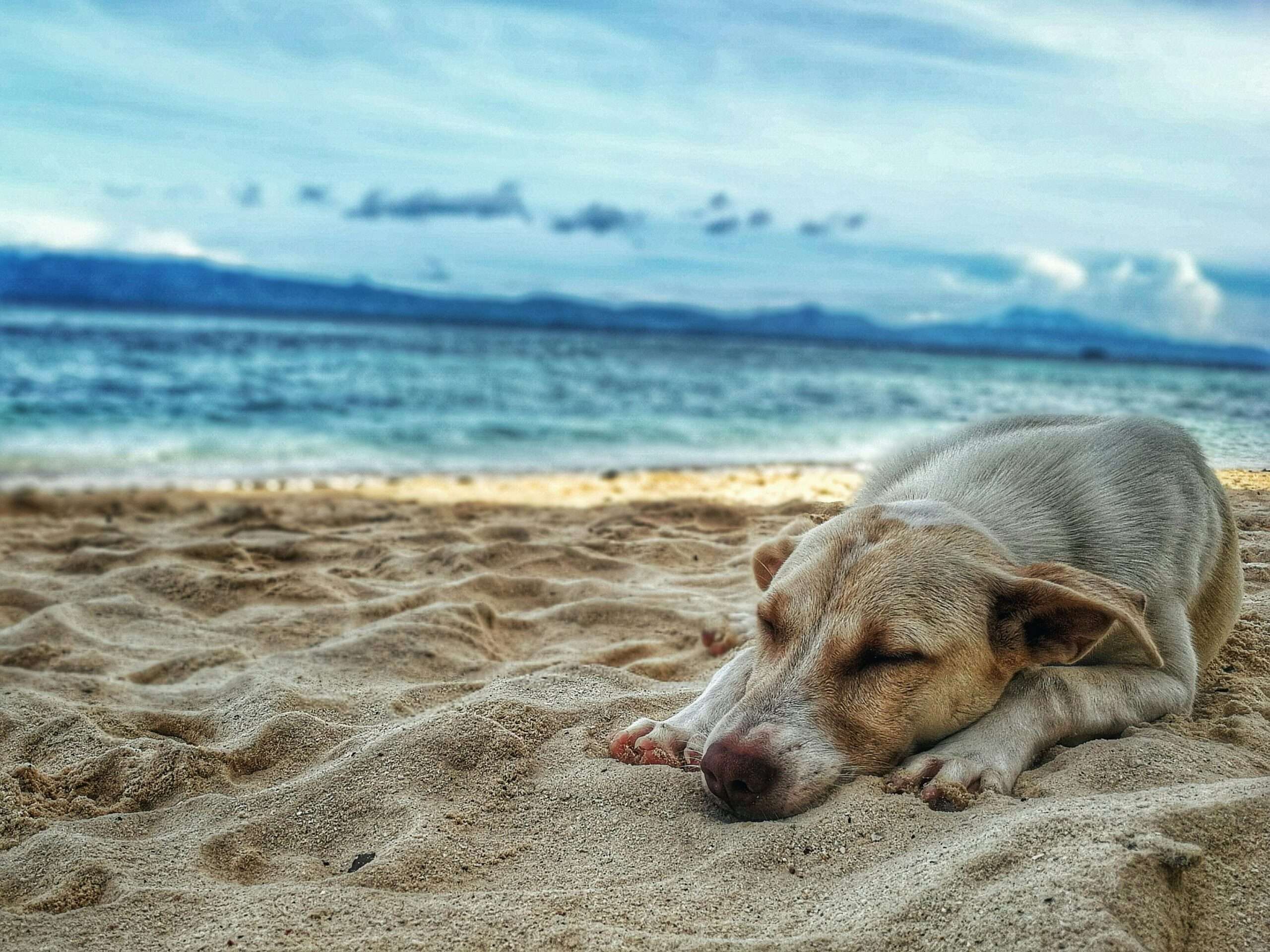
A Pet Parent’s Guide to Squamous Cell Carcinoma (SCC)
A sore that just won’t heal or a new lump in your pet’s mouth can be a sign of Squamous Cell Carcinoma (SCC), a common type of cancer affecting the skin and oral cavity. This cancer behaves very differently in cats and dogs, and for our feline friends, it is a particularly serious concern. At Harmony Pet Clinic, we want to arm you with the knowledge to recognize the signs of SCC, especially in cats.
What is Squamous Cell Carcinoma?
Squamous Cell Carcinoma is a malignant tumor that arises from the squamous cells, which are the flat, scale-like cells that make up the outer layer of the skin and the lining of the mouth, nose, and other body cavities. This cancer is typically locally invasive, meaning it aggressively attacks the tissue around it.
Squamous Cell Carcinoma in Cats: A Major Concern
In cats, SCC is a very common and serious diagnosis. It most frequently appears in two locations: the skin (cutaneous) and the mouth (oral).
1. Cutaneous (Skin) SCC in Cats
This form of SCC is directly linked to sun exposure. It almost always occurs on areas with thin fur and little pigment, where the sun’s UV rays can do the most damage. This puts white cats, or cats with white ears, noses, and eyelids, at the highest risk.
- Signs: It often starts as a small, reddish, crusty sore that doesn’t heal. It can look like a simple scab or scratch, but it will persist and slowly grow larger and more ulcerated over time.
- Treatment: If caught early, skin SCC can often be cured. Treatment may involve surgical removal, cryosurgery (freezing), or radiation therapy.
2. Oral SCC in Cats
Oral SCC is the most common oral cancer in cats and is extremely aggressive. Unlike the skin form, it is not linked to sun exposure. It is highly invasive, often growing into the underlying bone of the jaw.
- Signs: The signs can be subtle at first. Look for drooling, bad breath, difficulty eating (dropping food or chewing on one side), facial swelling, or a visible mass on the gums or under the tongue.
- Treatment: This is a very challenging cancer to treat due to its aggressive nature and location. Treatment may involve very aggressive surgery, radiation, and/or chemotherapy, with a strong focus on pain management and maintaining a good quality of life. The prognosis is often guarded.
Prevention for Sun-Loving Cats
For light-colored cats who love to sunbathe, prevention is key. The best thing you can do is limit their exposure to direct, intense sunlight, especially during peak UV hours (10 a.m. to 4 p.m.). Keeping them indoors is the safest option. If they must go out, providing shady areas is crucial.
Squamous Cell Carcinoma in Dogs
SCC also occurs in dogs, though it is less common than in cats. In dogs, it is most often found on the skin, in the nailbeds (subungual), and in the mouth. Skin SCC in dogs is also linked to sun exposure, particularly in light-colored, thin-coated breeds like Dalmatians and Pit Bulls. Subungual SCC can look like an infected or broken toenail that won’t heal. Oral SCC in dogs is serious, but often not as aggressively invasive as it is in cats. Treatment for all forms typically involves surgery and, if needed, radiation or chemotherapy.
Don’t Dismiss a Sore That Won’t HealThe key to successfully treating Squamous Cell Carcinoma, especially the skin form, is early intervention. Any persistent sore, scab, or lump on your pet’s skin or in their mouth needs to be examined by a veterinarian. As your veterinarian in Tomball, serving Cypress, Magnolia, and Spring, we are here to provide a swift diagnosis and a compassionate care plan for your pet. |
Book an Appointment |